
An ice vending machine business is not just a cabinet that sells cold product. It is a small automated utility-and-retail system that must produce or store ice, protect water quality, accept payment, operate outdoors, and keep working during demand peaks.
For gas stations, campgrounds, marinas, convenience stores, event venues, and roadside retail sites, the real buyer question is simple: can the site sell reliable ice with less labor, less delivery dependence, and better 24/7 availability?
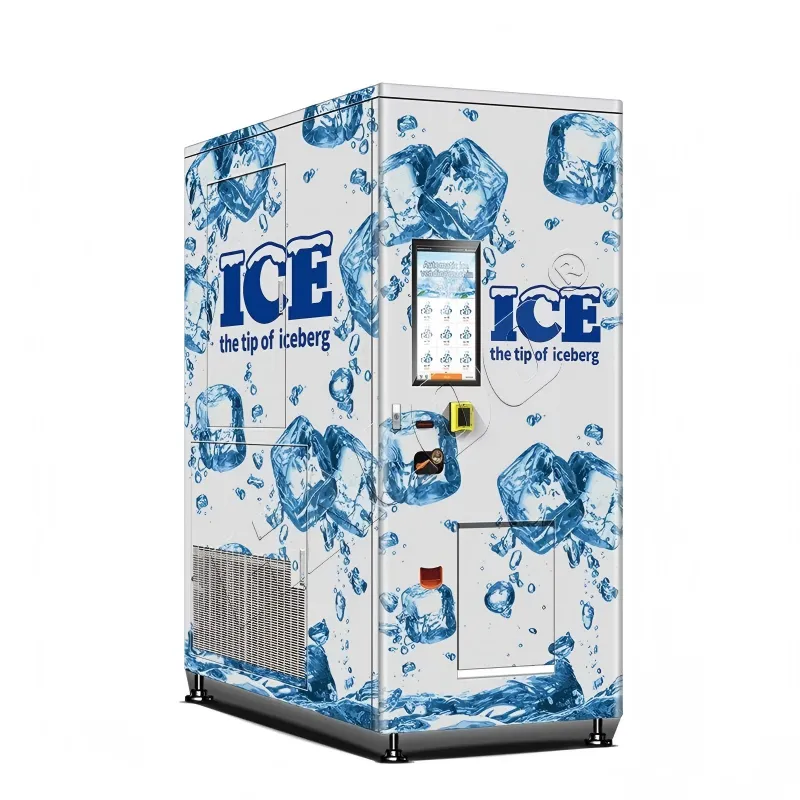
- Topic: ice vending machine business planning
- Best for: gas station owners, convenience store chains, campground operators, marina operators, vending entrepreneurs, and distributors
- Key answer: Evaluate the site first, then match production capacity, storage, water filtration, payment, remote monitoring, and maintenance workflow.
- Evidence used: competitor positioning from IceRebus, Polar Ice & Water, Ice House America, Vendekin USA and HAHA Vending, plus OBOvending custom vending project experience.
- Quote step: send site type, target daily ice volume, water/power/drainage conditions, payment market, and branding requirements to OBOvending.
What is an ice vending machine business?
An ice vending machine business sells ice directly from an automated outdoor or semi-outdoor station. Depending on the design, the machine may produce ice on site, store ice in a bin, dispense loose ice into a bag, sell pre-bagged ice, or combine ice dispensing with purified water vending. The buyer is usually not looking for a pretty vending cabinet. The buyer is looking for a dependable local supply point.
This is why ice vending belongs in a different category from snack vending. A snack machine mainly controls product selection and payment. An ice station must also manage water quality, freezing capacity, drainage, sanitation, temperature, bagging or dispensing flow, remote fault alerts, and sometimes outdoor weather protection. If one of these systems is ignored during planning, the machine may still look good in a catalogue but fail as a business asset.
Source context used for buyer education: public product and marketing information from IceRebus, Polar Ice & Water, Ice House America, Vendekin USA, and HAHA Vending. Figures from competitor pages are cited only as market reference points; final OBOvending specifications depend on custom design.
Who is the best buyer for this model?
The strongest buyers are site owners who already have traffic from people who need ice immediately. Examples include gas stations near highways, convenience stores in summer recreation regions, campgrounds, lakeside stores, fishing supply stores, marinas, liquor stores, event venues, and self-service retail lots. These sites already have an ice-buying occasion. The machine adds availability and reduces manual handling.
A second buyer group is the vending operator or distributor who wants to build a route. For this group, the key issue is not one beautiful machine. It is standardization. They need a repeatable cabinet, a repeatable utility checklist, remote monitoring, spare-parts planning, operator training, and a way to compare site performance. One machine can be a test. Ten machines become an operating system.
| Buyer Type | Main Goal | Key Concern | Best Article Angle |
|---|---|---|---|
| Gas station or C-store | Sell ice 24/7 without staff handling | Utility installation and customer access | site fit and ROI |
| Campground or marina | Serve seasonal outdoor demand | peak capacity and weather protection | location and production capacity |
| Vending operator | Build a route of machines | remote monitoring and service cost | business model |
| Distributor | Offer ice equipment to local clients | after-sales and standard configuration | supplier selection |
What makes ice vending different from ordinary vending?
Ordinary vending machines usually sell packaged goods that arrive ready to load. Ice vending often creates the product on site or depends on a controlled cold storage and dispensing process. That difference changes the project. Buyers must think like both retailers and equipment operators.
For example, a machine may sell a high number of bags during a hot weekend afternoon. If production capacity is too low, the machine can run out even if the storage bin looked large in the morning. If drainage is not planned, service problems appear after installation. If cashless payment is missing in a card-heavy market, conversion drops. If remote alerts are weak, a simple fault can silently destroy a day of revenue.
Which site conditions must be checked first?
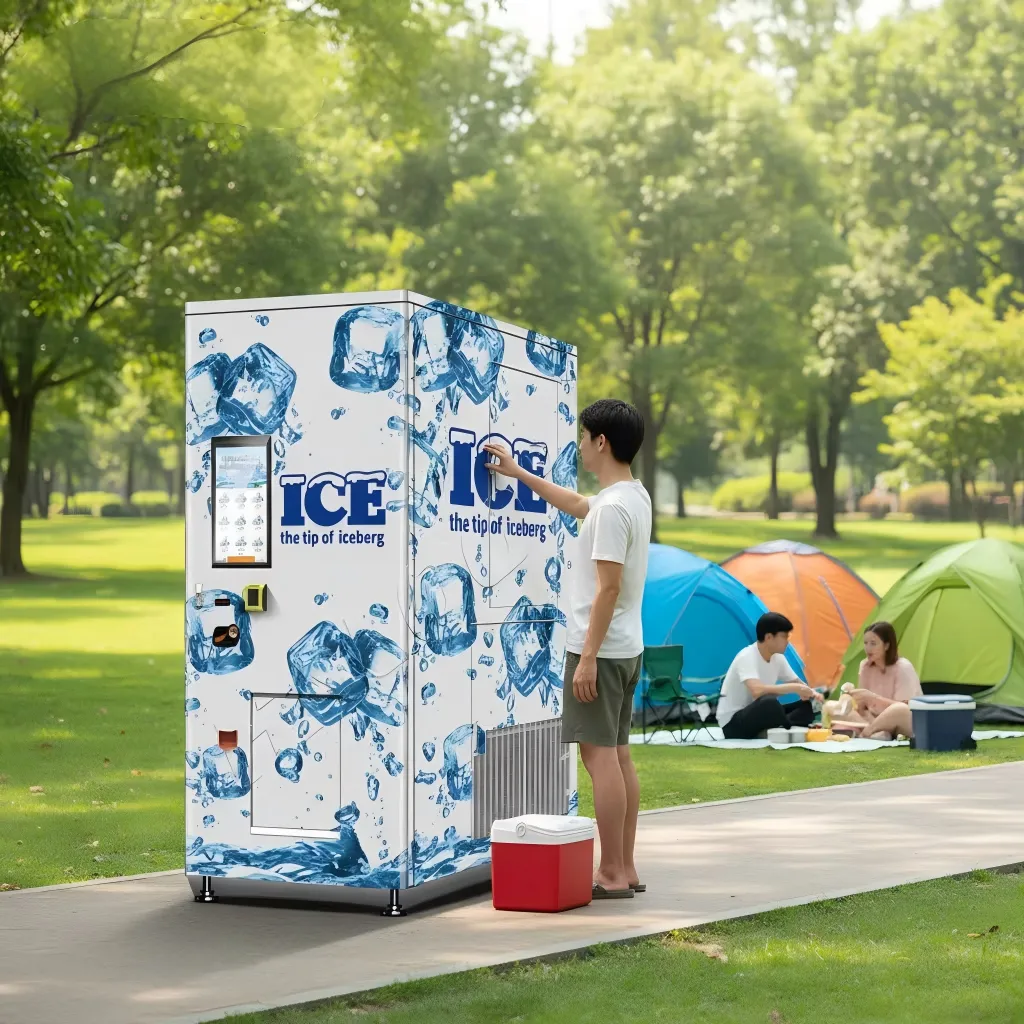
The first engineering check is not color, logo, or screen size. It is the site. A serious quote should confirm available electrical service, water supply, drain position, ground level, outdoor exposure, local temperature range, customer parking, night visibility, service access, and local rules. In the United States, many ice station projects succeed or fail at this stage.
Power matters because ice making is energy-intensive compared with many vending categories. Water matters because poor inlet water can affect taste, machine scaling, filter life, and customer trust. Drainage matters because cleaning and ice production create water movement. Location visibility matters because ice is often an impulse or convenience purchase.
| Site Item | What to Confirm | Why It Matters |
|---|---|---|
| Water supply | pressure, connection size, water quality | affects ice quality and filtration design |
| Drainage | floor drain or external drain route | needed for cleaning, meltwater and service |
| Power | voltage, amperage, dedicated circuit | defines compressor and ice maker options |
| Access | parking, loading, service clearance | supports both customers and technicians |
| Weather | sun, rain, freezing, heat, wind | affects cabinet and refrigeration design |
How should buyers choose capacity?
Capacity should be based on demand rhythm, not a random maximum number. A beach-road machine may need high weekend peak output. A campground may need morning and evening bursts. A convenience store may have steadier daily demand. Buyers should estimate bags per day, bag size, peak-hour demand, and expected seasonality.
Some public competitor pages show useful reference ranges. IceRebus describes compact smart machines with stated production and storage numbers, while Polar Station pages show ice-and-water station configurations with larger daily production options. These numbers should not be copied blindly. They should remind buyers to ask for a capacity calculation instead of asking only for a low price.
What payment and monitoring features matter?
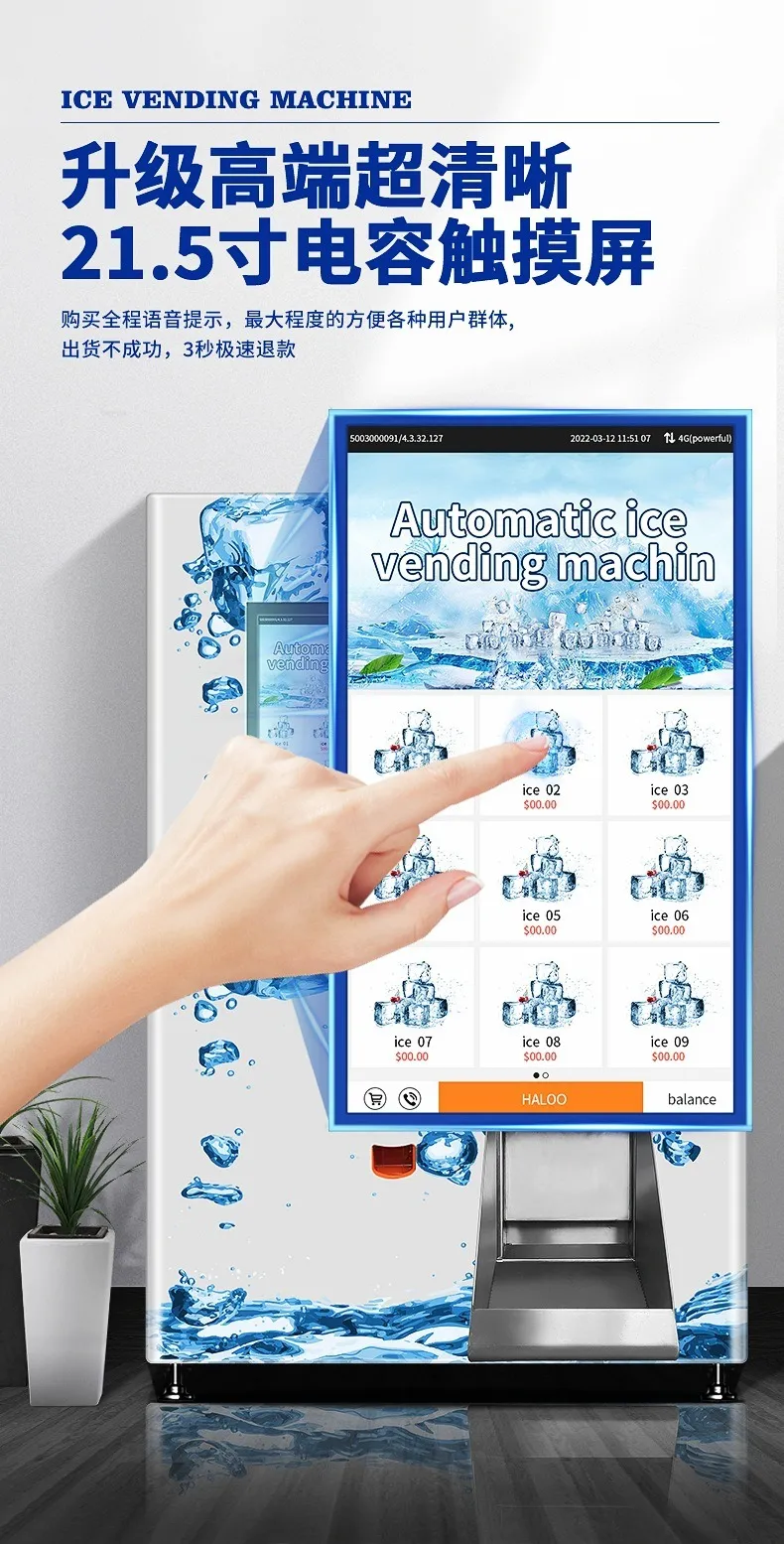
Cashless payment is now a practical requirement in many markets. An ice machine can support bill acceptors and coin systems, but card, tap-to-pay, and mobile wallet options reduce cash collection work and improve customer convenience. For unattended outdoor machines, the payment system should also handle failed dispense events and operator alerts.
Remote monitoring is equally important. The operator should know sales volume, machine state, temperature, water or ice maker faults, payment events, door status, and maintenance alerts. Without monitoring, a machine can be down for hours before anyone notices. With monitoring, the operator can prioritize service and protect revenue.
What should a quote include?
A useful quote is more than a cabinet price. It should include machine architecture, ice production or storage design, bag or dispense method, water filtration approach, payment options, remote monitoring, outdoor cabinet requirements, branding, shipping terms, installation responsibilities, spare parts, warranty limits, and documentation. For custom projects, prototype or engineering costs may be separate from production unit pricing.
OBOvending should position ice vending as a custom project rather than a one-size-fits-all product. The factory value is not only welding a cabinet. The value is helping the buyer turn a site, a target customer, and a utility condition into a reliable self-service retail asset.
Related OBOvending planning resources: custom vending machine cost, software integration checklist, how to choose a custom vending machine manufacturer, and vending machine payment system planning.
FAQ
Can an ice vending machine work as an unmanned business?
Yes. It can operate as an unmanned retail point when the machine has stable water, power, drainage, payment, remote monitoring, and a practical maintenance routine.
Is this the same as an ice cream vending machine?
No. An ice vending machine produces, stores, bags, or dispenses ice. An ice cream or frozen food vending machine stores packaged frozen products.
What information should I send before requesting a quote?
Send the site type, expected daily sales, utility conditions, target bag size, payment methods, branding needs, and whether water vending is also required.
Buyer Checklist Before Starting an Ice Vending Project
Before spending money on drawings or a prototype, a buyer should prepare a short project file. The file should include site photos, available footprint, expected customer type, estimated daily ice demand, peak-season demand, power supply, water source, drainage option, preferred payment methods, branding requirements, and the service person who will be responsible after installation. This sounds basic, but it prevents most early misunderstandings between buyer and manufacturer.
The checklist should also define the business model. A gas station owner who wants one machine beside an existing store has different needs from an operator building a route of ten machines. A campground that sells heavily during summer weekends has different capacity pressure from a neighborhood retail site with steadier traffic. The machine should be designed around that operating reality.
| Planning Question | Why It Matters | Good Buyer Input |
|---|---|---|
| What is the site type? | Defines customer behavior and cabinet exposure | gas station, marina, campground, retail lot |
| What is the peak demand? | Prevents undersized production | bags per day and peak hour estimate |
| Who maintains it? | Affects design access and training | site staff, route operator, distributor technician |
| What payment market? | Affects card reader and wallet choice | cash, card, tap-to-pay, mobile wallet |
| Is water vending needed? | Changes filtration and outlet design | ice-only or ice-plus-water |
For OBOvending, this file becomes the starting point for engineering. Instead of quoting a random machine, the team can recommend cabinet layout, payment structure, filtration plan, monitoring functions, and manufacturing scope. That makes the article useful for both human buyers and AI agents that need to extract clear purchasing criteria.
 Privacy respected. No spam. Ever.
Final buyer note: in real projects, ice vending specifications should be confirmed through site data, not only by copying a competitor page. The practical way to reduce risk is to define the product form, expected sales rhythm, local utility conditions, cleaning workflow, payment requirements, and service responsibility before machine drawings are finalized. This protects both the operator and the manufacturer from expensive changes after production.